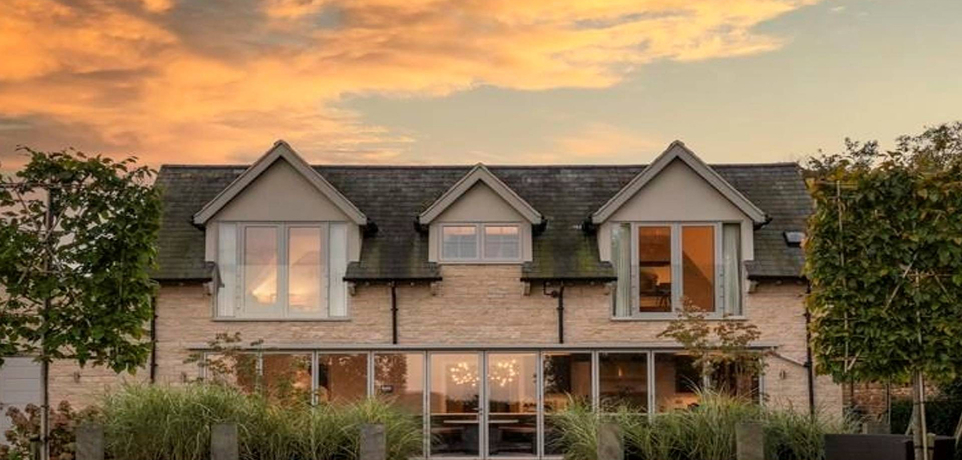
How Slimline Double Glazed Windows Reduce Heat Loss
Modern architecture and new build trends love glass. If you’re after those big, unobstructed views and those barely there aluminium frames, you may be hesitant when thinking about the potential for heat loss. In the past, thin frames meant cold houses. However, things have changed. Today’s slimline engineering focuses on retaining every bit of warmth inside your living rooms without needing bulky frames.
You might be wondering, how double glazed windows reduce heat loss, especially if you’re considering the super thin slimline options. How can something so sleek actually keep the heat in? We’re revealing all in this guide.
Is Double Glazing Better Now Than it Was 20 Years Ago?
The short answer is a resounding yes. If your current windows were fitted back in the early 2000s, they are essentially relics. Older units often relied on simple air gaps and basic glass. However, over time, the seals degraded and the vacuums failed.
So what’s changed over the years? Well, modern units use inert gases such as Argon between the panes, which is far denser than air and much harder for heat to escape through. We also now have Low-E coatings. These offer microscopic metal layers that reflect heat back into your room like a thermal mirror. It takes a more active approach at retaining as much heat as possible.
What Are the Current Insulation Standards?
In the UK, we measure how much heat leaks from a building using U-values. The lower the number, the better your windows are keeping the heat in. Under Part L of the Building Regulations, replacement windows need a U-value of 1.4 W/m²K or better. If you’re building a brand-new house, the expectations are often even tighter to ensure the whole building stays airtight. It’s important to look ahead as insulation standards are rarely there to stay.
How to Prepare for Future Thermal Performance Regulations?
As with many environmental standards, the goalposts don’t stay still for long. The upcoming Future Homes Standard, aims to slash carbon emissions by 75-80% for new builds. This means that window U-values might need to drop as low as 0.8 W/m²K. Investing in high-quality slimline systems now means you won’t be scrambling to upgrade again in five years when the rules tighten up.
How to Reduce Heat Loss Through Windows
Heat loss predominantly happens through conduction, convection and radiation. To prevent this cycle, you need to find ways to minimise the transfer of heat, or ways to even boost heat.
- Install materials that don’t let heat travel through them easily.
- Precision-engineered frames stop those annoying draughts that whistle through old casements.
- Use smart glass coatings to keep the warmth where it belongs – with you.
What Features Contribute to Reduced Heat Loss in Slimline Double Glazed Windows?
Take a look at the features that contribute to reduced heat loss in slimline double glazed windows.
Polyamide Thermal Break
You might think aluminium, being a metal, would be cold. However, slimline windows use clever breaks, known as a polyamide thermal break, to solve this. This break is a reinforced plastic strip hidden inside the aluminium frame. Since plastic doesn’t conduct heat like metal does, it breaks the path, stopping the cold outside from reaching the warm inside.
Argon Gas Fill
By adding Argon gas between the glass panes, the air moves slower, meaning it doesn’t carry heat across the gap as easily. This significantly improves the thermal performance of double glazed windows. With triple glazed slimline windows, this is even more pronounced as you have two pockets of Argon gas sandwiched between three glass panes.
Warm Edge Spacer Bars
Older double glazing units used spacers made of aluminium or steel to hold the two glass panes apart. However, there was a downside of this. Because metal is a fantastic natural conductor, it allows heat to bypass the glass and leak out through the edges. To fix this, modern windows use insulating composites, such as low-conductivity plastics or foams that act as the perfect thermal barrier.
Multiple Weather Seals
If you’ve ever heard a whistling sound on a windy night, your seals aren’t working as they should. By using multiple layers of these seals rather than just one, you can create a series of airtight air pockets. This prevents air leakage, meaning your expensive heated air stays inside and the damp wind stays firmly outside. High-performance gaskets, the rubberised weather stripping that runs along the frame where the opening of the window meets the fixed part, ensure that when the window is shut, it’s truly shut. No air leakage.
Low-Emissivity (Low-E) Glass
While it looks completely transparent to the naked eye, Low-E glass is actually coated with a microscopically thin layer of metal oxide. This coating allows natural sunlight and short-wave solar energy to enter your home, which helps warm your rooms for free during the day.
However, the real magic happens when that heat tries to leave. When the warmth from your radiators hits the glass, the Low-E coating reflects it right back into the room. Instead of the glass letting it leak outside, it acts like a high-tech one-way mirror for heat.
What Are the Most Thermally Efficient Windows?
While triple glazing is the champion of insulation, modern slimline double glazing is often the sweet spot for most UK homes. It offers a significant improvement in performance over older styles without the extra weight or cost of a third pane. If you choose a system with a polyamide thermal break, you’re getting good levels of efficiency, while still benefiting from a tasteful slimline profile.
Choose a Trusted Window Supplier and Installer
As well as choosing the right materials and technology, the installation has to be spot on. If there is even a tiny gap in the sealant or the frame isn’t perfectly aligned, all that expensive Argon gas and thermal breaking won’t save you from a draught.
At Klosen, we specialise in this exact balance of aesthetics and engineering. Based near Market Deeping, we help homeowners across Lincolnshire, Rutland, Cambridgeshire, Yorkshire and London find windows that actually perform. We work with leading window brands to ensure your home meets all current and future building regulations.
Request a bespoke quote for your slimline double glazed windows.